Selecting the right activated carbon grade requires understanding target contaminants, contact time, particle size distribution, and bed hydraulics. The iodine number and BET surface area are helpful metrics but should be interpreted in context with pore size distribution for molecules of interest. For example, microporous carbons excel at small organics while mesoporous grades better capture larger molecules.
Practical selection also accounts for ash content, hardness/attrition resistance, and the likely fouling compounds present in the feed water. High-ash carbons reduce adsorption capacity and can increase turbidity; hardness influences bed longevity and pressure drop. Laxmi International provides COA documents and pilot samples so buyers can verify performance under real conditions before committing to large orders.
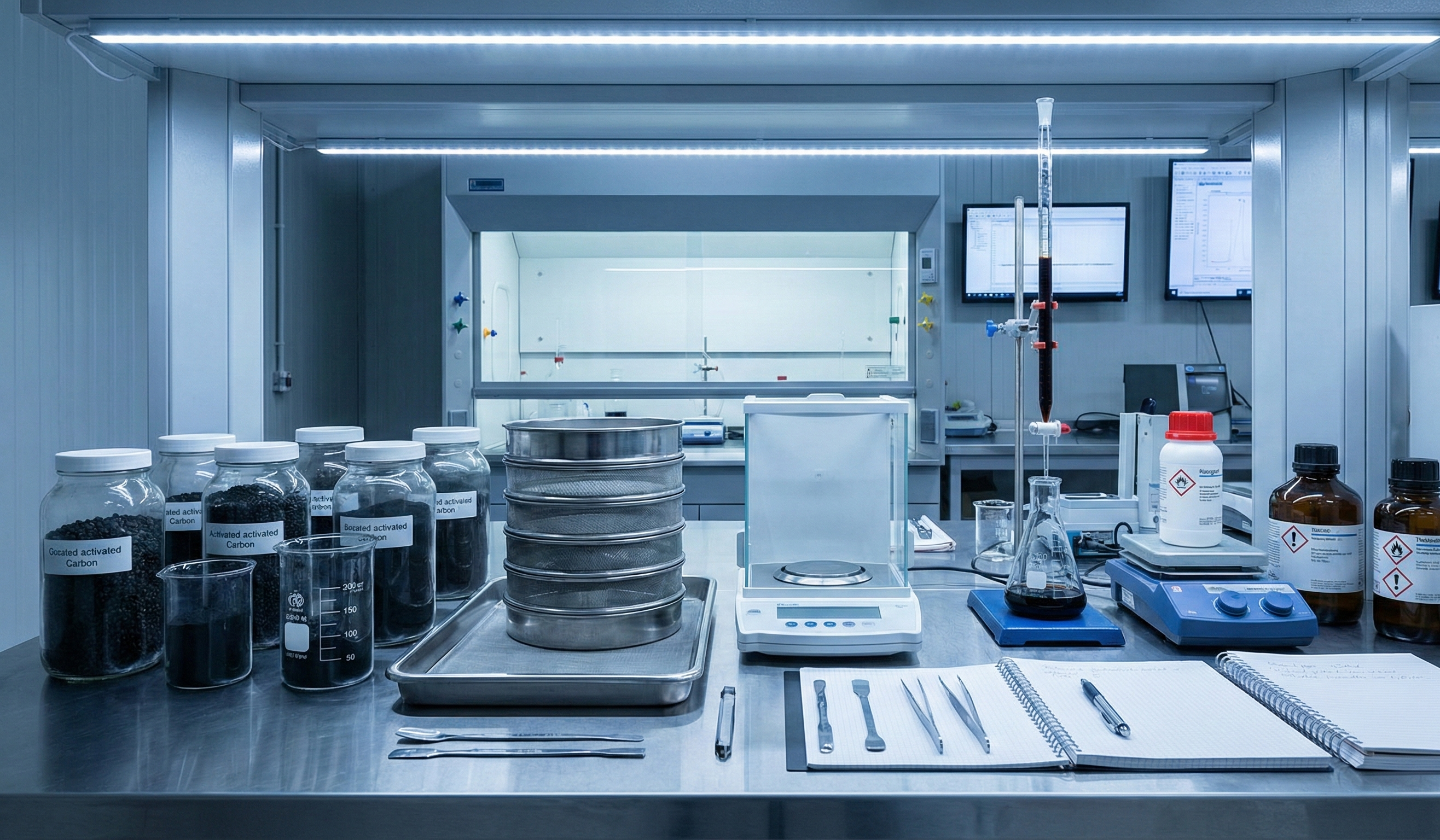
Work with experienced suppliers to perform bench testing and field trials. A small pilot bed or jar tests with your process water will reveal which grade balances capacity, headloss, and lifecycle cost. Our technical team supports these steps and recommends regeneration schedules and replacement strategies to optimize operation.
Ultimately, the 'best' grade is the one that meets contaminant removal objectives while delivering acceptable operating costs. Laxmi International helps customers by matching technical data to real-world performance for confident procurement decisions.